
Grace Notes
Volume 8 | March 2026
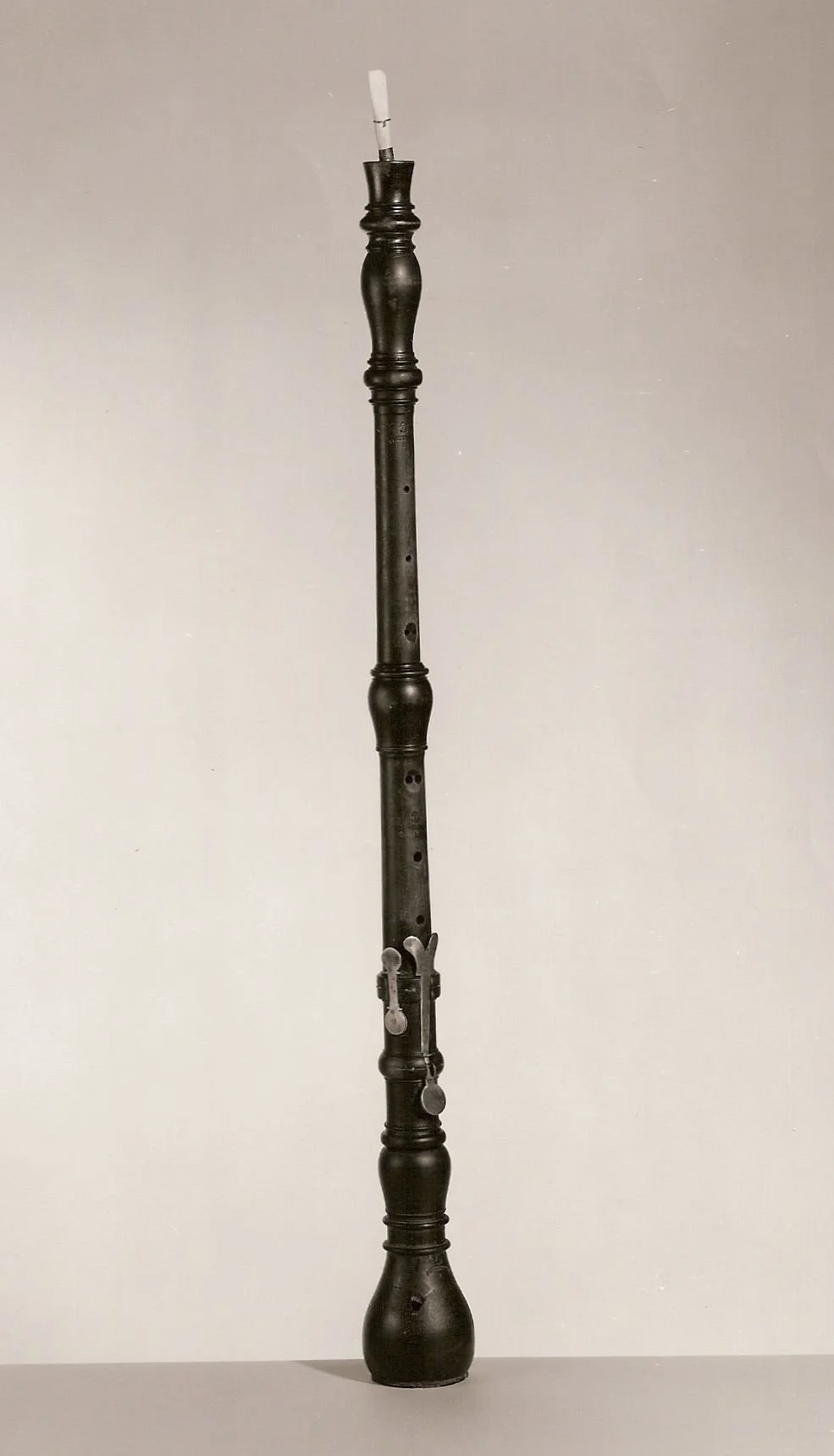
Oboe d’amore
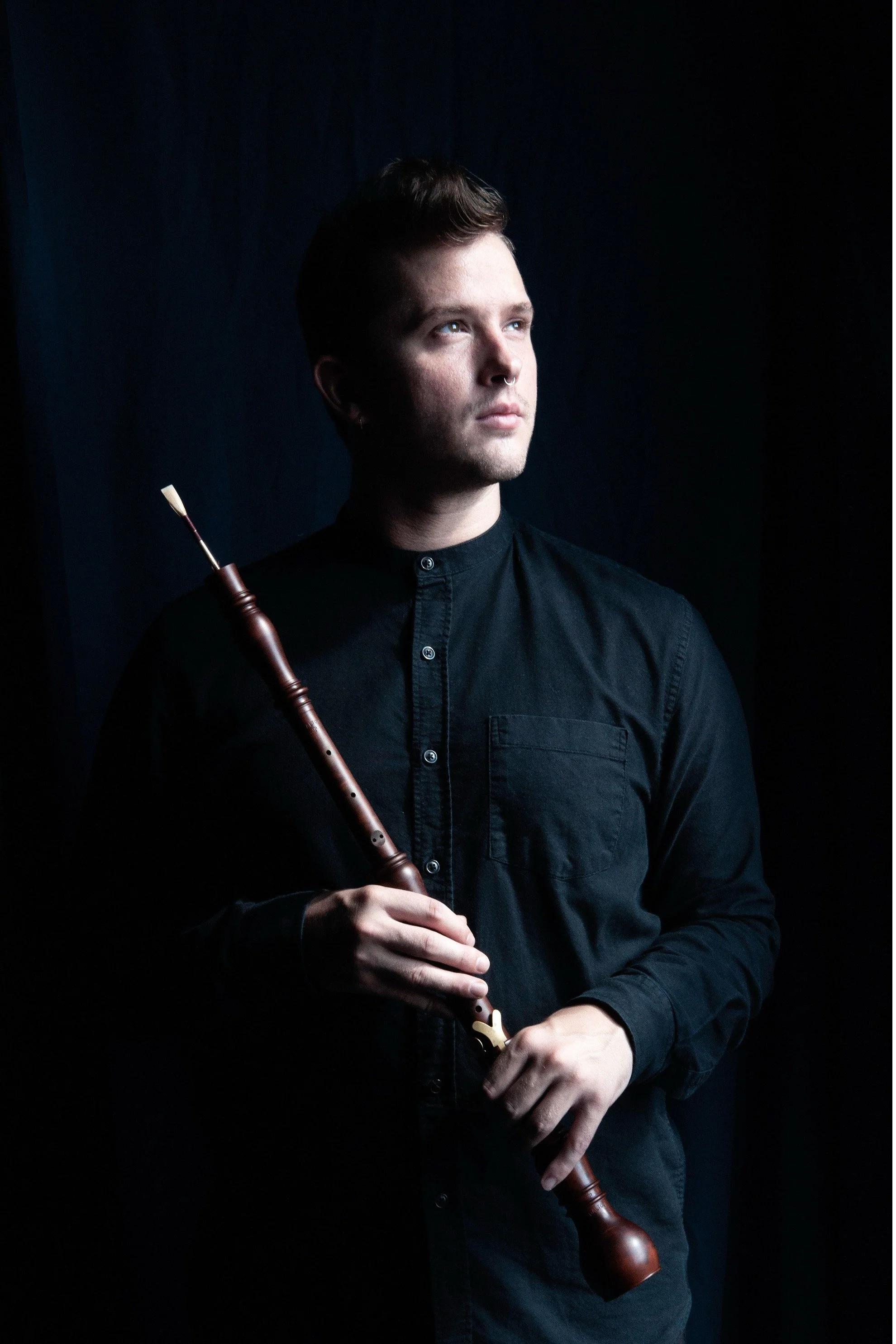
Oboist David Dickey
INSTRUMENT
Oboe d’amore
The Baroque oboe d’amore is a wooden, double-reed woodwind member of the oboe family, lower in pitch, and a little larger than the treble oboe. In Bach and Telemann’s time, during the early 18th century, instruments like the viola d’amore and the flute d’amore were known for their rich, expressive sound. It’s quite likely how the oboe d’amore, or “love oboe” in Italian, got its name.
It has a sweeter, less piercing, and more emotional sound than both the treble oboe and the alto-pitched English horn. It bridges the tone gap between them and is sometimes called, the “Mezzo-Soprano Oboe.” Its pitch, at a minor third below the oboe’s, makes it easier to play in more difficult keys. The lower-placed tone holes, and the pear-shaped bell give the oboe d’amore its warm and mellow sound, making it sound more like the human voice.
Composers gradually stopped writing for the oboe d’amore around the 1760s, and the instrument eventually faded into obscurity. Fortunately for us today, performances on period instruments began to reappear by the end of the 19th century when J.S. Bach’s music began to enjoy a renewed appreciation.
David Dickey, who will join UVB again in March, has this to say about playing the oboe d’amore:
“The unique thing about playing on these historical instruments is that you can feel why the instruments were made differently in order to play the music of that era. There is a physical harmony between what the music asks you to do, and what the instrument naturally wants you to do. You can trust the physical sensation of playing the instrument to help inform the way you might interpret the music.”
Table of Contents
INTERVIEW
Filippo Ciabatti on UVB’s March and April Programs
MUSICIAN PROFILE
Paul Max Tipton, bass-baritone
PRE-CONCERT VIRTUAL PRESENTATION
Madrigals in Renaissance Italy
MUSICAL TERM
Italian Madrigal
INSTRUMENT
Oboe d’Amore
LOOKING BACK
Vivaldi’s The Four Seasons
What do you think?
We want Grace Notes to bring you interesting and educational pieces that help connect you to our work. Let us know what you want to see in this publication by emailing baroqueuv@gmail.com.
CREDITS
Donna Grant Reilly,
Editor-in-Chief
Jo Shute,
Contributing Editor
Mary Gerbi,
Contributing Editor
Catherine Hedberg, Design